
POWERING AFFORDABLE CARE
with educational resources


Make the lab experience simpler for you and your patients
Create an accountSign up for email alerts on the latest resources, tests, and other offerings for NPs and PAs
Educational resources
Here, you can access a comprehensive library of resources and insights developed to help inform test selection and results interpretation.

Supporting you: Quest resources & insights
Click to filter resources
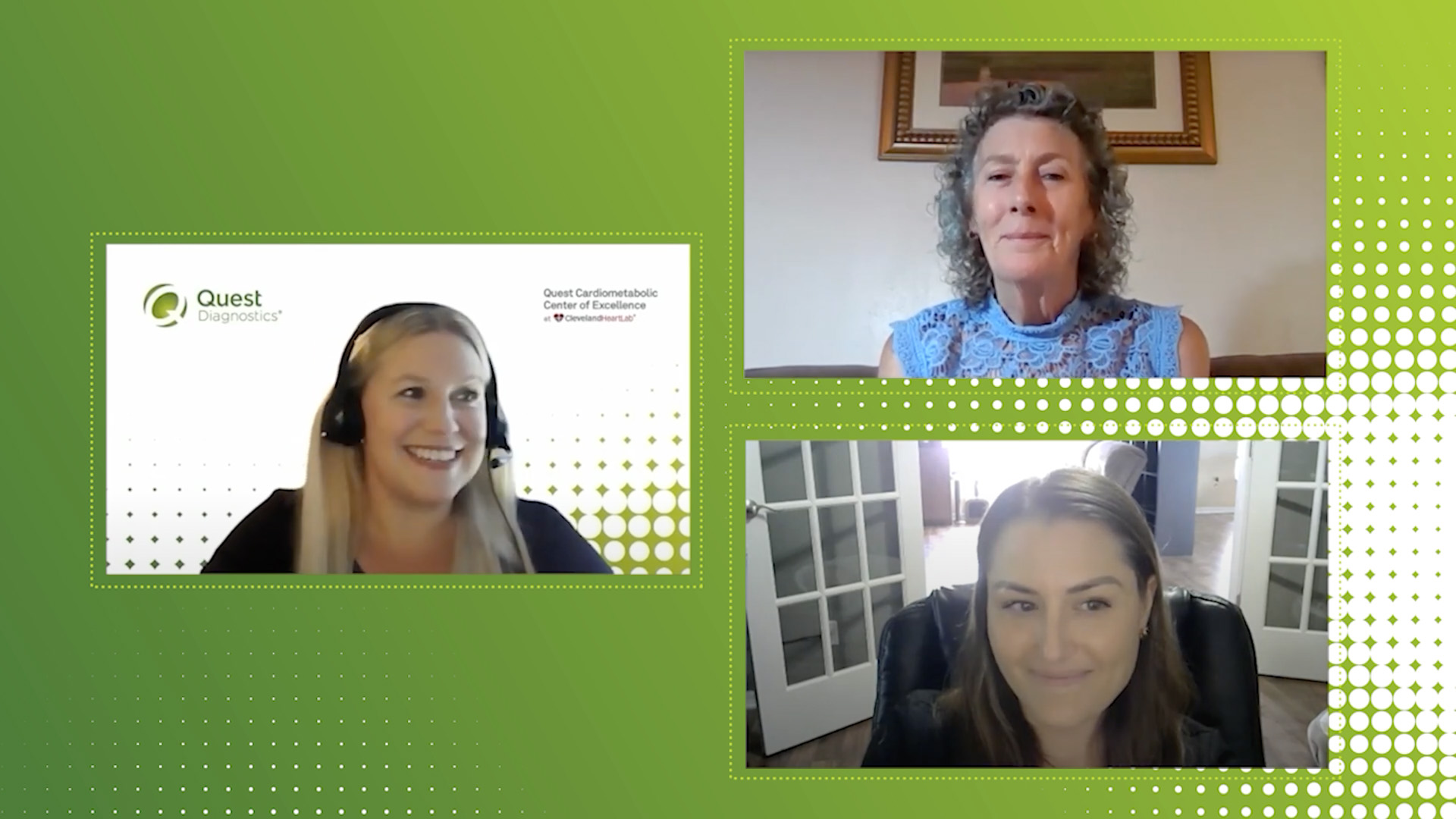
The epidemic of cardiometabolic disease
Episode 2 focuses on the growing epidemic of cardiometabolic disease in America, and the role NPs and PAs can play in catching these conditions earlier.

Utilizing lab insights to risk stratify and identify disease earlier: Focus on insulin resistance
Episode 3 focuses on Utilizing lab insights to risk stratify and identify insulin resistance earlier.

Utilizing laboratory insights to risk stratify and identify disease earlier: Focus on kidney disease
Episode 3 focuses on Utilizing lab insights to risk stratify and identify chronic kidney disease earlier.

Setting your patients up for success with early identification
The first episode of the series focuses on the challenges of managing patients with chronic conditions and the role Advanced Practice Providers like you can play as agents of change for your at-risk patients.

How opt-out screening helps build patient trust in your practice
Hear from Nurse Practitioner Dr Randee Masciola on how opt-out screening helps build patient trust and learn practical tips for adopting this enhanced screening strategy in your practice.
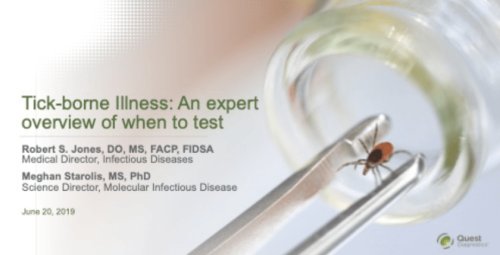
Tick-borne Illness: An expert overview of when to test
Dr Jones and Dr Starolis describe the various organisms and diseases that cause major tick-borne illnesses, the available testing options and which to choose for various clinical scenarios, and review result report interpretation.
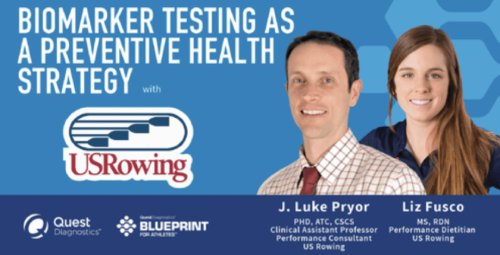
Biomarker testing as a preventive health strategy
Dr Pryor, clinical assistant professor in exercise and nutrition sciences at the University at Buffalo, and Liz Fusco, performance dietitian at US Rowing, present a discussion on how US Rowing uses biomarker testing as a preventive health monitoring tool to help identify risk for and correct nutritional deficiencies and signs of overtraining.

Detecting and managing insulin resistance
Dr Sachdev discusses the importance of insulin resistance across the cardiometabolic continuum, identifies which patients may be candidates for insulin resistance testing, and describes what steps to take to identify and manage insulin resistance in patients.
Which of your patients should be offered genetic testing for cancer risk?
Ms Matloff discusses which current and past patients are candidates for cancer genetic testing and explains why sharing genetic testing data is critical to clinical research and the future of patient care.
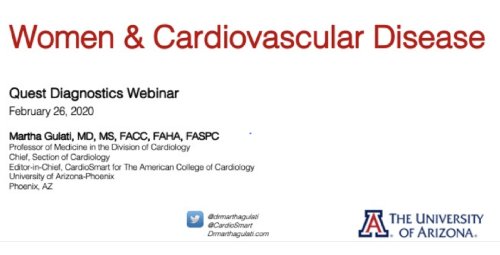
Women and heart disease: Is there really a sex difference?
Dr Gulati discusses sex differences in cardiovascular health and outcomes, explains the cardiovascular symptoms and differences in care for men and women, and helps the audience to identify sex-specific cardiovascular risk factors to prevent cardiovascular disease and events.
The continuum of chronic kidney disease care: From identification to referral
Presented by Dr David Wright and Dr Minesh Rajpal, moderated by Dr Harvey Kaufman.
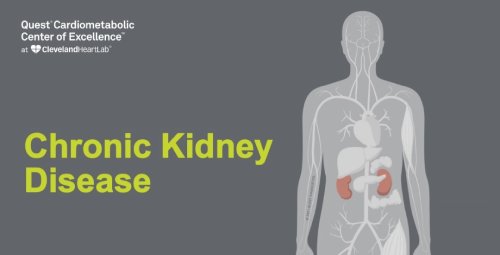
New guidelines for assessing chronic kidney disease
This article discusses CKD, the use of creatinine and cystatin C for calculating eGFR, and the race-neutral CKD-epidemiology collaboration (EPI) 2021 creatinine-based equation for calculating eGFR.

Insulin resistance and the evolution of type 2 diabetes
This article reviews how insulin resistance contributes to the evolution of type 2 diabetes mellitus, a global health issue. Risk factors and laboratory testing that help identify individuals with insulin resistance are discussed, as well as lifestyle changes that can treat or prevent the development of diabetes mellitus and reduce the risk of other serious conditions associated with insulin resistance.

Breast cancer: Current disparities in care
This article discusses breast cancer, including how genetic testing can be used to assess risk for hereditary breast cancer. Disparities in screening, treatment, mortality, genetic counseling, and testing for minority patients will be discussed, as well as potential solutions.
Image content features models and is intended for illustrative purposes only.
Quest, Quest Diagnostics, any associated logos, and all associated Quest Diagnostics registered or unregistered trademarks are the property of Quest Diagnostics. All third-party marks—® and ™—are the property of their respective owners.
© 2022 Quest Diagnostics Incorporated. All rights reserved.